Buying a carbonation system usually starts with the wrong question: “which model is best?” There is no best model, only a correct configuration. The difference between the two is the difference between a unit that still works in three years and one that becomes your service bottleneck in six months.
1. Count today's menu, estimate next year's
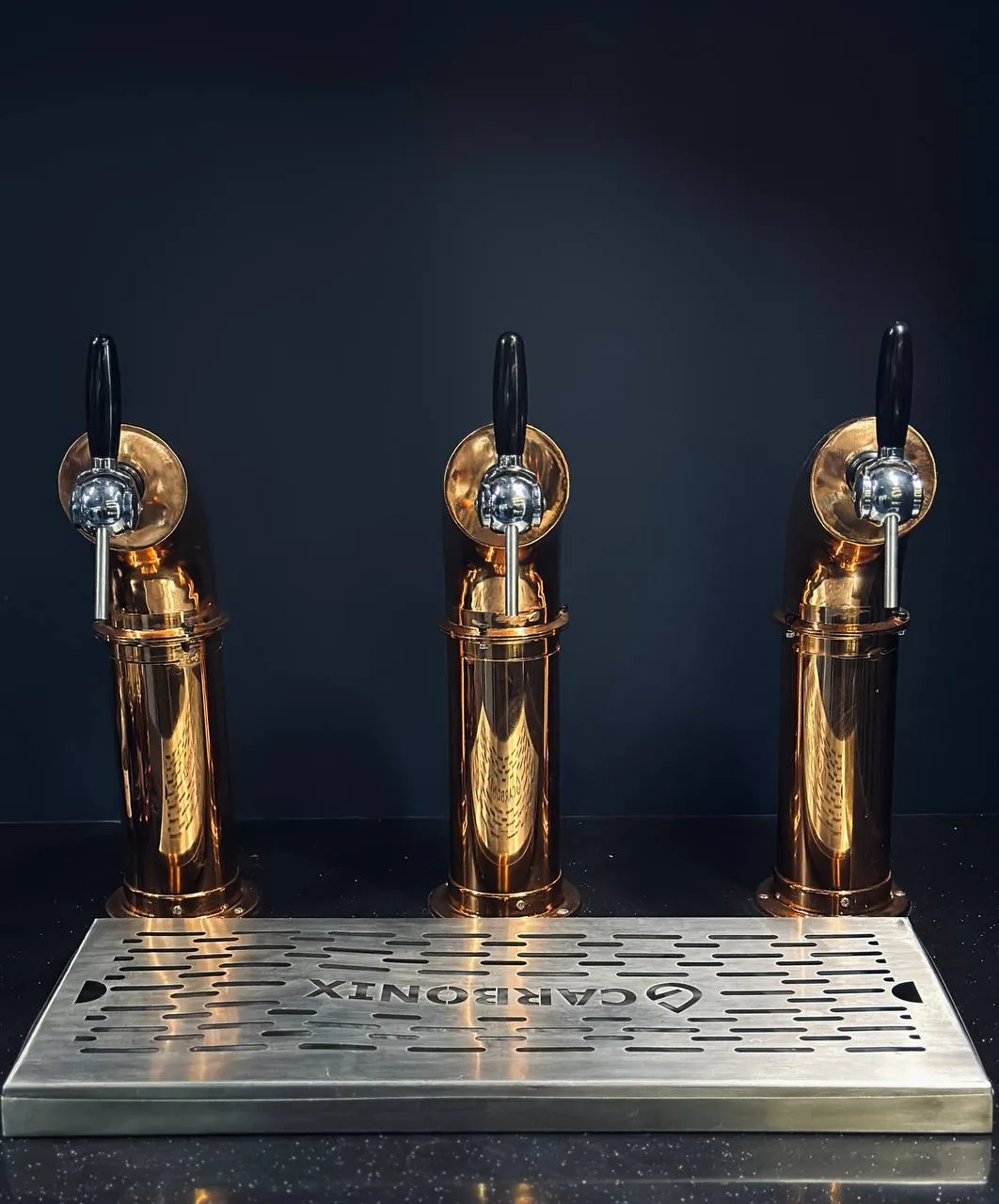
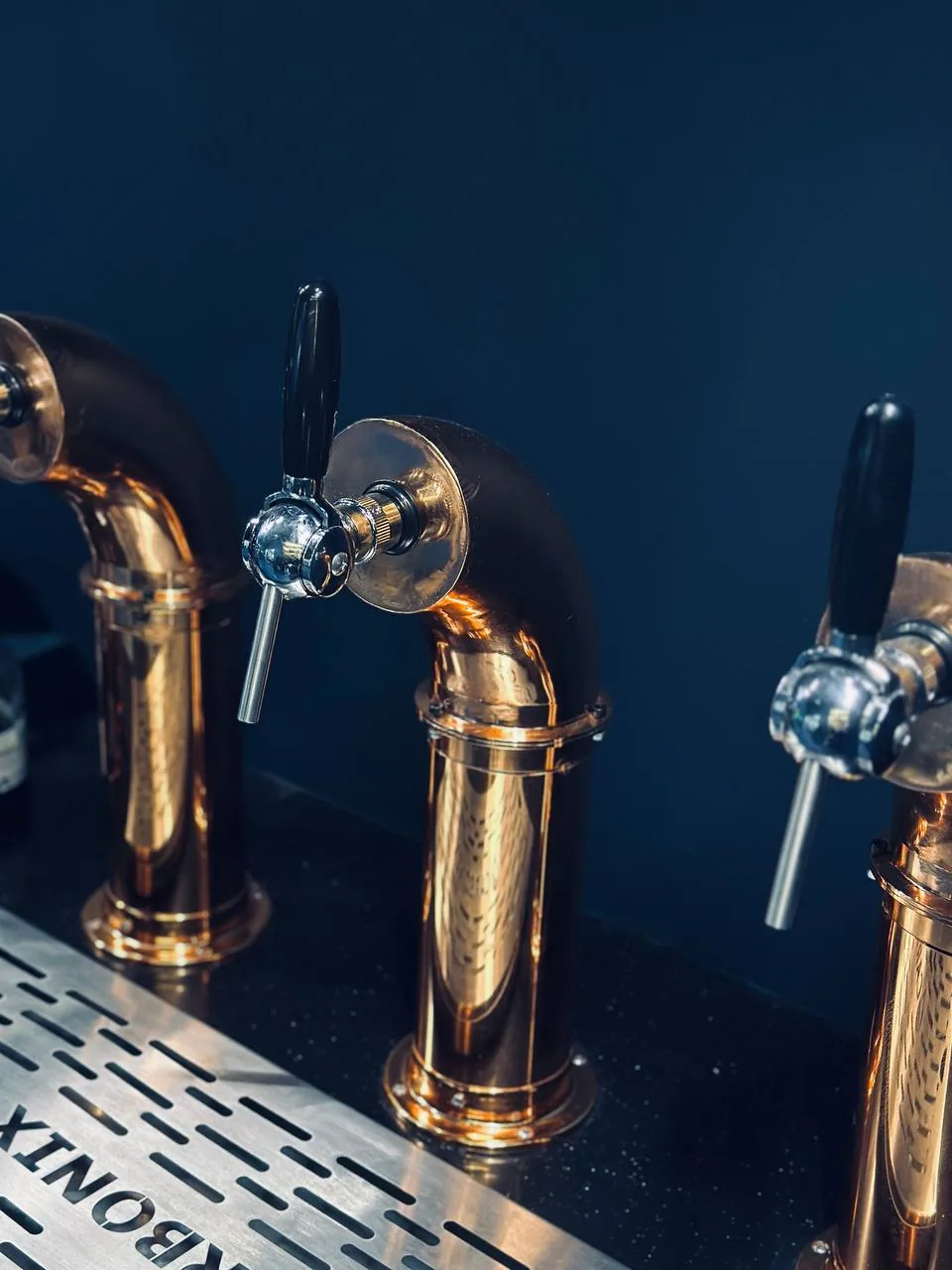
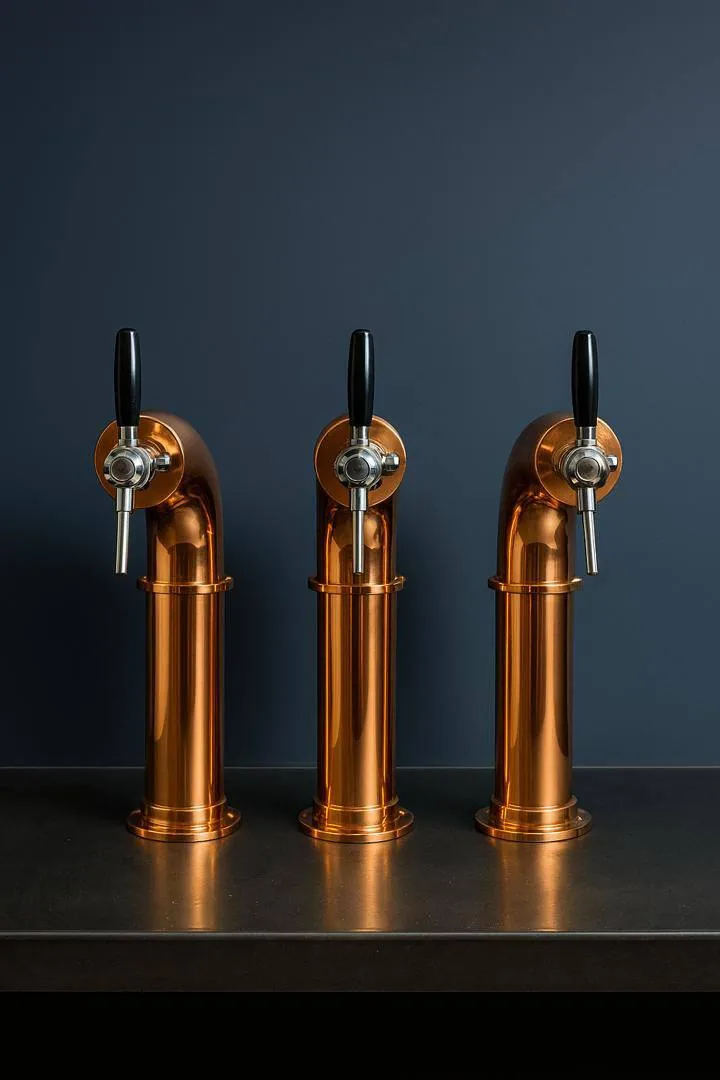
Every beverage you need to pour simultaneously, without swapping a vessel, requires its own outlet. If today you serve sparkling water, one signature soda and cold brew, three outlets is your floor. But in most cafés the cold-drinks menu grows over two years, it does not shrink.
Unit width grows by roughly 25 cm per outlet: from 70 cm for a single line to 200 cm for six, with depth and height fixed at 70 and 86 cm. That simple arithmetic lets you reserve counter space today for the menu you expect later.
2. Size for peak-hour volume, not the daily average
A daily average is a comfortable number that drives no decision. What breaks a system is the busiest sixty minutes. If serving temperature climbs or carbonation drops in that window, the guest notices — however flawless the rest of the day was.
This is precisely where dual-stage cooling matters: stage one holds the reservoirs cold inside the unit, stage two chills the liquid again on its way out through the steel coil. Single-stage systems typically start drifting at exactly this point.
3. Measure the counter before you pick a model
Write down three numbers: the clear depth inside the counter, the floor-to-underside height, and the continuous width you have without a sink or fridge interrupting it. A 70 cm depth and 86 cm height match professional counter standards, but in refurbished spaces “standard” almost always has an exception.
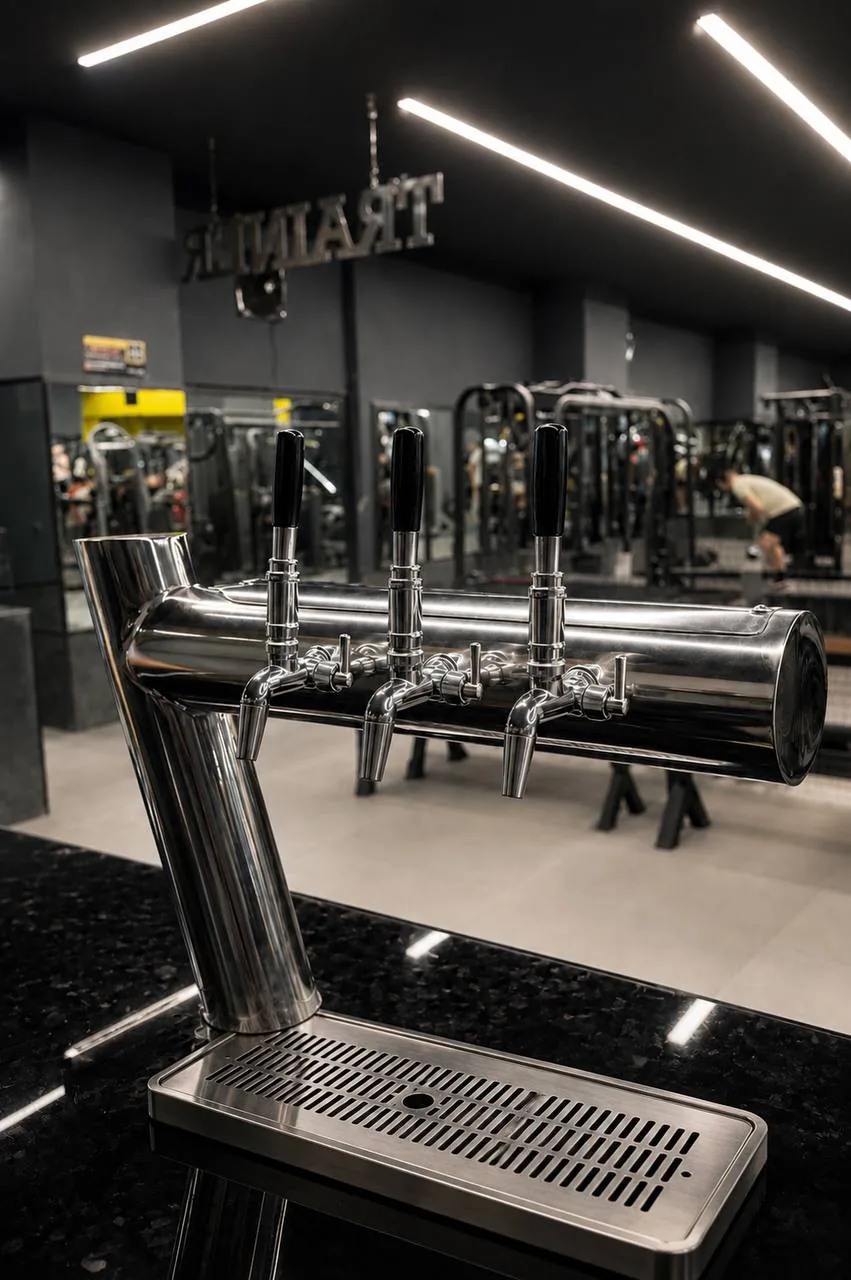
If those three numbers do not work out, the answer is not necessarily a smaller machine. The custom island exists for exactly this case: unit, tower, drip tray and serve surface are built around your drawing rather than the other way round.
4. Settle the gas question early
If you only pour sparkling water today but suspect nitro cold brew will join the menu next year, multi-gas compatibility is not a luxury feature; it is the difference between a settings change and buying a second machine. A system that runs on CO₂, nitrogen or a blend defers that decision without charging you for it today.
Also ask whether the system needs an external gas rig or side chiller. A closed, modular unit that only needs power and water access removes the hidden cost of a gas room and a cold room from the project.
5. Treat the maintenance plan as part of the purchase
A machine that has to be dismantled to be cleaned will not, in practice, be cleaned weekly. An internal CIP system turns cleaning into a short routine, and that is the difference between a maintenance plan on paper and a maintenance plan that happens.
- What are the consumables and is their supply guaranteed?
- What does the warranty cover and how many years does after-sales service run?
- What does staff training cover, and can it be repeated when the team changes?
- What is the service response time in your city?
A dispense system is not a consumable, it is infrastructure. Specify it like infrastructure.
If you would like to work through these five questions for your own space, send us your counter dimensions and your cold-drinks menu and we will prepare a proposed configuration and a quotation.
Related Articles